


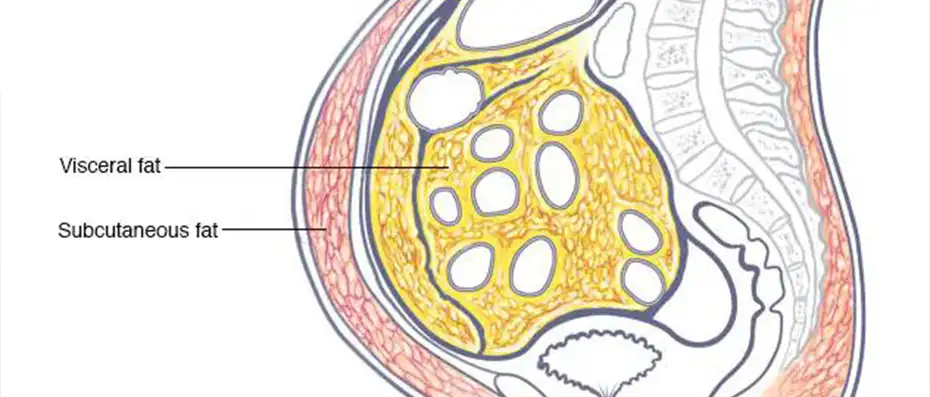
Excess fat around the waist is more than a cosmetic concern. While many people focus on how belly fat looks, the real issue lies deeper—visceral fat, a type of fat stored around internal organs. Understanding the difference between superficial fat and visceral fat is essential for protecting your long-term health.
What Is Visceral Fat?
Visceral fat is stored deep inside the abdominal cavity, surrounding vital organs such as the liver, intestines, and pancreas.
This is different from subcutaneous fat, which sits just under the skin and is the fat you can pinch.
While subcutaneous fat is mostly a cosmetic issue, visceral fat is metabolically active and can directly impact your health.
Why Is Visceral Fat Dangerous?
Visceral fat is strongly linked to several serious health conditions. It behaves differently from other fat types because it releases inflammatory substances and hormones that disrupt normal body functions.
Key health risks include:
- Increased risk of Type 2 Diabetes
- Higher likelihood of Cardiovascular Disease
- Elevated blood pressure
- Insulin resistance
- Chronic inflammation
Over time, these risks can significantly affect overall health and quality of life.
What Causes Fat Accumulation Around the Waist?
Several factors contribute to increased abdominal fat and visceral fat:
- Poor diet (high in sugar and processed foods)
- Sedentary lifestyle
- Hormonal changes (especially after pregnancy or with aging)
- Stress and lack of sleep
- Genetic predisposition
Even individuals who appear slim can have hidden visceral fat, sometimes referred to as “skinny fat.”
How Can You Tell If You Have Visceral Fat?
You can’t see visceral fat directly, but there are strong indicators:
- Increased waist circumference
- A firm, protruding abdomen
- Difficulty losing belly fat despite dieting
Medical imaging (like CT or MRI scans) can measure it precisely, but lifestyle indicators are often enough to raise concern.
How to Reduce Visceral Fat Safely
1. Improve Your Diet
Focus on:
- Whole foods (vegetables, lean protein, healthy fats)
- Reducing sugar and refined carbohydrates
- Controlling portion sizes
2. Stay Physically Active
- Combine cardio + strength training
- Aim for consistent movement, not extreme workouts
3. Manage Stress and Sleep
High cortisol levels (stress hormone) are linked to abdominal fat storage. Prioritize:
- Quality sleep
- Stress-reducing activities
4. Be Patient and Consistent
Visceral fat does not disappear overnight. Sustainable lifestyle changes are key to long-term success.
Can Cosmetic Procedures Remove Visceral Fat?
This is a very important distinction:
- Procedures like liposuction only remove subcutaneous fat
- They do NOT remove visceral fat
This means that even after body contouring procedures, internal health risks remain if visceral fat is not addressed through lifestyle changes.
Experienced surgeons, including Dr. Burak Pasinlioğlu, emphasize that aesthetic procedures are designed for body shaping—not for treating metabolic health conditions.
Visceral Fat vs Aesthetic Concerns
Many patients seek treatment for a slimmer waistline, but it’s important to understand:
- A flat stomach does not always mean low visceral fat
- Health should always come before appearance
- A combined approach (health + aesthetics) delivers the best results
Fat around the waist is not just about appearance—it can be a serious health concern when it involves visceral fat.
By understanding the risks and focusing on:
- Healthy nutrition
- Regular exercise
- Lifestyle balance
you can significantly reduce both health risks and abdominal fat over time.
For those considering aesthetic improvements, consulting with experienced professionals like Dr. Burak Pasinlioğlu ensures a safe and realistic approach—combining medical awareness with natural-looking results.