


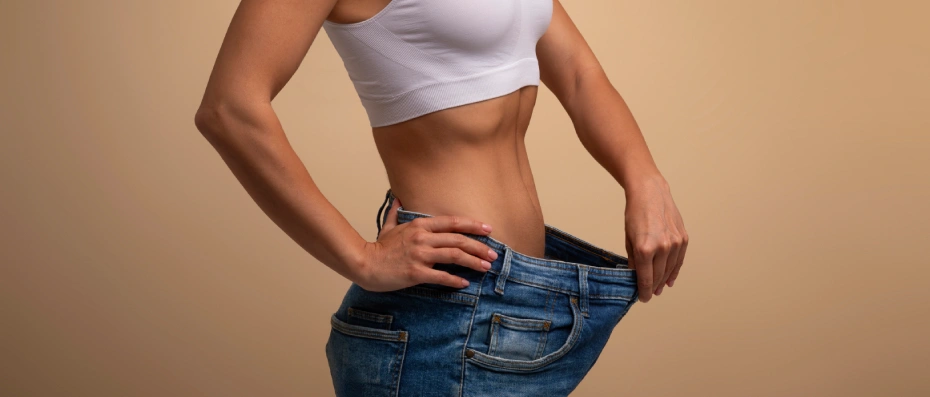
You had a tummy tuck. Your abdomen is flatter, the loose skin is gone, and you’ve finally completed the recovery process.
Then life happens.
A holiday. A stressful few months. Hormonal changes. Less time for exercise.
The scale goes up.
And suddenly you’re wondering:
“Have I ruined my tummy tuck?”
The short answer is not necessarily.
You can absolutely gain weight after a tummy tuck because abdominoplasty does not change your metabolism or prevent your body from storing fat in the future. Small weight fluctuations may have relatively little visible effect, while significant or sustained weight gain can alter the abdominal contour and reduce some of the improvements achieved through surgery. The American Society of Plastic Surgeons (ASPS) specifically notes that tummy tuck results are more stable when body weight remains stable.
But there is a more interesting question:
Where does the weight actually go after a tummy tuck?
Let’s break it down.
Can You Gain Weight After a Tummy Tuck?
Yes. A tummy tuck does not prevent future weight gain.
A tummy tuck, medically known as abdominoplasty, is a body-contouring procedure. Depending on the patient’s anatomy, it can remove excess abdominal skin and some fat and may repair weakened or separated abdominal muscles.
What it does not do is change how your body processes calories.
If your body consistently takes in more energy than it uses, weight gain can still occur.
That means your:
- Abdomen
- Waist
- Flanks
- Hips
- Thighs
- Breasts
- Arms
can still change as your overall weight changes.
A tummy tuck creates a new abdominal contour.
It does not make that contour immune to future changes.
Will Gaining 5 or 10 Pounds Ruin a Tummy Tuck?
This is probably what most patients really want to know.
A small amount of weight gain does not automatically destroy your tummy tuck result.
Bodies naturally fluctuate.
Your weight this month may not be exactly the same as it was six months ago. Minor fluctuations are part of normal life.
The concern becomes greater when weight gain is significant and sustained.
As weight increases, remaining fat cells can enlarge and the abdomen can become fuller. Significant changes in body size may also affect the skin and overall proportions that were created during surgery.
ASPS advises maintaining a stable weight because significant fluctuations can diminish tummy tuck results.
So rather than becoming anxious about every kilogram or pound, think about the overall trend.
A small fluctuation and a substantial long-term weight increase are very different situations.
Where Does Fat Go If You Gain Weight After a Tummy Tuck?
This is where things become more interesting.
Patients sometimes assume that because tissue was removed from the abdomen, future fat must automatically move somewhere else.
That’s too simplistic.
Your future fat distribution is influenced by factors including genetics, hormones, age, sex and your existing distribution of fat cells.
If liposuction was performed with your tummy tuck, fat cells were physically removed from those treated areas. ASPS explains that those removed fat cells do not simply regenerate in the same way; however, remaining fat cells can enlarge when weight is gained.
This means your proportions after weight gain may not be exactly the same as they were before surgery.
But you should not assume that every kilogram gained will suddenly appear in a completely different body part.
Can Your Stomach Get Big Again After a Tummy Tuck?
Yes, the abdomen can become larger again with significant weight gain.
This surprises some patients because they think the tummy tuck has permanently removed the possibility of having abdominal fullness.
It hasn’t.
There are also two different types of abdominal fat worth understanding.
Subcutaneous Fat
This is the softer fat located underneath the skin.
Remaining fat cells can enlarge when you gain weight.
Visceral Fat
This sits deeper inside the abdomen around the internal organs.
A tummy tuck does not remove visceral fat.
If visceral fat increases with weight gain, your abdomen can begin to protrude even if your skin remains relatively tight.
This is one reason someone can have very little loose skin but still develop a rounder abdomen after significant weight gain.
What Happens to the Skin If You Gain Weight?
Fat isn’t the only issue.
Skin matters too.
One of the major goals of a tummy tuck is removing excess abdominal skin and creating a smoother contour.
Significant weight gain can place additional tension on that skin.
If the abdomen expands considerably and later loses volume again, the skin may not always return completely to its previous position.
How much it changes depends on factors such as:
- Amount of weight gained
- Duration of the weight gain
- Skin elasticity
- Age
- Genetics
- Previous pregnancies
- Previous major weight changes
This is why repeated large weight fluctuations are generally not ideal for maintaining body-contouring results.
Can Weight Gain Undo Muscle Repair?
This requires an important distinction.
During some tummy tuck procedures, diastasis recti, or separation of the abdominal muscles, is repaired.
Weight gain alone does not necessarily mean that your muscle repair will suddenly “come undone.”
However, substantial changes in abdominal volume can alter the overall appearance of the abdomen.
Pregnancy is a different situation because the abdominal wall undergoes major expansion as the uterus grows. This is one reason future pregnancy can significantly affect tummy tuck results even when the original surgery was successful.
So if your stomach looks larger after gaining weight, don’t automatically assume your muscle repair has failed.
The cause may be increased subcutaneous fat, visceral fat, changes in the skin—or a combination of factors.
What If You Lose the Weight Again?
Here’s some good news.
If the weight gain is relatively modest and you return to your previous stable weight, your abdominal contour may move closer to your earlier postoperative appearance.
But this depends on how much your tissues changed.
If substantial weight gain stretched the skin significantly, losing the weight again could potentially leave some new laxity.
In other words:
Fat can shrink again. Stretched skin does not always behave as predictably.
This is why prevention of major fluctuations is generally preferable to repeatedly gaining and losing substantial amounts of weight.
Does a Tummy Tuck Make It Easier to Maintain Weight?
A tummy tuck should never be presented as a weight-control treatment.
Interestingly, however, research has examined what happens to patients’ weight after abdominoplasty.
A 2025 study following 188 abdominoplasty patients found that, on average, patients maintained the weight reduction associated with surgery and experienced additional weight loss during follow-up, including at several years after surgery. The researchers did not establish that abdominoplasty itself causes weight loss, so these findings should not be interpreted to mean that a tummy tuck improves metabolism or prevents future weight gain.
The practical takeaway is simpler:
A tummy tuck can change your contour, but long-term weight management still depends on your lifestyle, health and individual biology.
Should You Lose Weight Before a Tummy Tuck?
If you already know you want to lose a significant amount of weight, it usually makes more sense to discuss that goal before surgery.
Why remove loose skin and carefully contour the abdomen if you’re planning a major change in body weight shortly afterward?
ASPS emphasizes that tummy tuck surgery is not a substitute for weight loss and that maintaining a stable weight is important for preserving results.
This doesn’t mean you need to reach the lowest weight you’ve ever had.
It means reaching a weight that is:
Healthy, realistic and sustainable for you.
The best preoperative weight is rarely a number you can maintain for only three weeks.
What If I Gain Weight Years After My Tummy Tuck?
Life five or ten years after surgery may look very different.
Aging continues.
Hormones change.
Lifestyle changes.
Menopause can influence body composition.
Activity levels may change.
A tummy tuck does not freeze your body at the age you had surgery.
If you gradually gain weight years later, your body will change naturally. That does not mean the operation “failed.”
The better way to evaluate the result is to ask:
How does my body look compared with how it likely would have looked without the original surgery?
Long-term results should be understood within the context of natural aging and weight changes.
Do You Need Another Tummy Tuck If You Gain Weight?
Usually, gaining some weight does not automatically mean you need another tummy tuck.
If you’re unhappy with your abdomen after weight gain, the first step is determining what actually changed.
Is the concern:
- Additional fat?
- Visceral abdominal fullness?
- New loose skin?
- Muscle laxity?
- Overall weight gain?
- A combination of several factors?
If you intend to lose weight, it often makes sense to reach a stable weight before evaluating whether any additional body-contouring procedure is appropriate.
Some patients may not need further surgery at all.
Others may eventually benefit from a revision.
The correct answer requires examination rather than guessing from the number on the scale.
What About Weight Gain After Tummy Tuck With Liposuction?
This deserves its own explanation because tummy tuck with liposuction is common.
Liposuction physically removes fat cells from selected areas. Those removed cells do not simply refill, but remaining fat cells throughout the body can enlarge with weight gain. ASPS notes that small weight gains after liposuction can reduce the visual impact of the result while the improved proportions may still remain visible. More substantial weight gain can have a greater effect.
So liposuction doesn’t give you immunity from gaining abdominal fat.
And it definitely isn’t permission to ignore future weight changes.
Is Weight Gain Dangerous After a Tummy Tuck?
There is an important difference between gaining weight after you have fully recovered and undergoing surgery while carrying medical risk associated with obesity.
Recent large studies have found obesity to be associated with increased short-term complication risks following abdominoplasty, including wound-related complications and other postoperative problems.
That is primarily a surgical risk discussion, rather than evidence that gaining a few pounds years after a healed tummy tuck is inherently dangerous to the surgery.
If substantial weight gain affects your general health, however, that should be addressed with the appropriate healthcare professional regardless of whether you’ve had plastic surgery.
How Can You Protect Your Tummy Tuck Results Long-Term?
You don’t need to live in fear of the scale after surgery.
And you don’t need to maintain exactly the same weight every morning for the rest of your life.
Instead, focus on stability.
Regular physical activity, balanced nutrition and maintaining a sustainable body weight can help preserve your overall body contour.
Most importantly, don’t think of tummy tuck surgery as the finish line.
Think of it as a body-contouring procedure performed at one point within a much longer life.
Your body will continue to change.
The objective is not preventing every change.
It’s avoiding major, repeated fluctuations when possible.
Tummy Tuck in Istanbul with Dr. Burak Pasinlioğlu
For international patients considering a tummy tuck in Istanbul, Turkey, long-term planning should begin before surgery.
Dr. Burak Pasinlioğlu, a European Board Certified Plastic Surgeon (EBOPRAS) based in Istanbul, evaluates tummy tuck patients according to their abdominal anatomy, skin laxity, fat distribution, muscle separation, general health and weight stability.
This is especially important for patients considering a tummy tuck after pregnancy, mommy makeover, tummy tuck after major weight loss or tummy tuck combined with liposuction.
The objective is not simply to create the flattest possible abdomen immediately after surgery.
It is to choose an appropriate surgical plan at a time when the patient has a realistic opportunity to maintain the result.
Frequently Asked Questions About Weight Gain After a Tummy Tuck
Can you gain weight after a tummy tuck?
Yes. A tummy tuck does not alter your metabolism or prevent future weight gain. Your body can continue storing fat after surgery.
Will gaining 5 pounds ruin my tummy tuck?
Not necessarily. Minor weight fluctuations generally do not automatically erase a tummy tuck result. The greater concern is substantial or sustained weight gain that significantly changes body size and abdominal contour.
What about gaining 10 or 20 pounds after a tummy tuck?
There is no universal amount of weight gain at which a tummy tuck suddenly becomes “ruined.” The effect depends on your starting weight, fat distribution, skin elasticity and how much your abdomen changes.
Does fat come back after a tummy tuck?
Your body can accumulate abdominal fat again. If liposuction was performed, the removed fat cells are gone, but remaining fat cells can enlarge when weight is gained.
Can your stomach get big again after a tummy tuck?
Yes. Significant increases in subcutaneous or visceral fat can make the abdomen larger again even after excess skin was previously removed.
Will weight gain stretch my tummy tuck skin?
Significant expansion of the abdomen can stretch the skin. How much it changes depends on the amount of weight gained, skin elasticity and individual biology.
Can weight gain undo diastasis recti repair?
Weight gain does not automatically mean your muscle repair has failed. If your abdomen changes significantly, an examination is needed to determine whether the change comes from fat, skin, the abdominal wall or a combination.
What happens if I lose weight after gaining weight following a tummy tuck?
The remaining fat cells can become smaller as you lose weight. However, if significant weight gain stretched the skin, some new laxity may remain after the weight is lost.
Do I need revision surgery after gaining weight?
Not automatically. Ideally, first return to a healthy, stable weight if appropriate. Your abdomen can then be evaluated to determine whether further treatment is necessary.
What is the best way to maintain tummy tuck results?
Maintaining a relatively stable, sustainable weight is one of the most important long-term factors. ASPS specifically advises avoiding significant weight fluctuations to help preserve abdominoplasty results.
The Bottom Line: Does Weight Gain Ruin a Tummy Tuck?
So, what happens if you gain weight after a tummy tuck?
Your tummy tuck doesn’t suddenly disappear.
A few normal fluctuations in body weight are very different from substantial, sustained weight gain.
However, a tummy tuck cannot stop your body from storing fat. Significant weight gain can increase abdominal fullness, change your waist and body proportions, and potentially stretch the skin enough to reduce some of the original improvement. ASPS therefore emphasizes stable weight as an important factor in maintaining tummy tuck results.
And perhaps the most important point is this:
Don’t evaluate your tummy tuck by the scale alone.
If your body changes after surgery, ask what actually changed.
Fat?
Visceral fat?
Skin?
Muscle?
Or simply your overall body weight?
Once you know the answer, you can make a much more informed decision about what—if anything—needs to be done.
A tummy tuck can create a new abdominal contour.
Maintaining a relatively stable weight is what gives that contour the best opportunity to remain consistent over the years.
Medical References
- American Society of Plastic Surgeons — Answers to Common Tummy Tuck Questions
- American Society of Plastic Surgeons — What a Tummy Tuck Can and Can’t Do
- American Society of Plastic Surgeons — Tummy Tuck Results
- American Society of Plastic Surgeons — Can Fat Return After Liposuction?
- PubMed — What Happens to Weight Following Abdominoplasty: An Analysis of 188 Consecutive Cases
- PubMed — Impact of Obesity on the Outcomes of Panniculectomy and Abdominoplasty
- PubMed — The Impact of Obesity on 30-Day Complications After Cosmetic Abdominoplasty
Medical Disclaimer: This article is for general educational purposes only and does not replace an individual medical consultation. Changes in weight, abdominal contour or health after tummy tuck surgery should be assessed according to the patient’s individual medical history, anatomy and circumstances.